

“Body & Fit” isn’t just a goal—it’s a lifestyle that blends movement, nutrition, recovery, and mindset into something sustainable. The real win isn’t extreme dieting or punishing workouts. It’s building habits that make you feel confident, energized, and capable in your own body—long-term.
TL;DR:
Body & Fit is about building sustainable habits—not extreme diets or punishing workouts. Focus on 4 pillars: smart training (strength + regular movement), balanced nutrition (protein, whole foods, flexibility), recovery (sleep, rest, hydration), and mindset (consistency over perfection). Start simple, stay consistent, and adjust as you go for long-term results.
What “Body & Fit” Really Means

Being “fit” doesn’t look one way. For some, it means strength and muscle. For others, it means endurance, flexibility, fat loss, better posture, or simply feeling healthier day to day.
A strong Body & Fit approach focuses on:
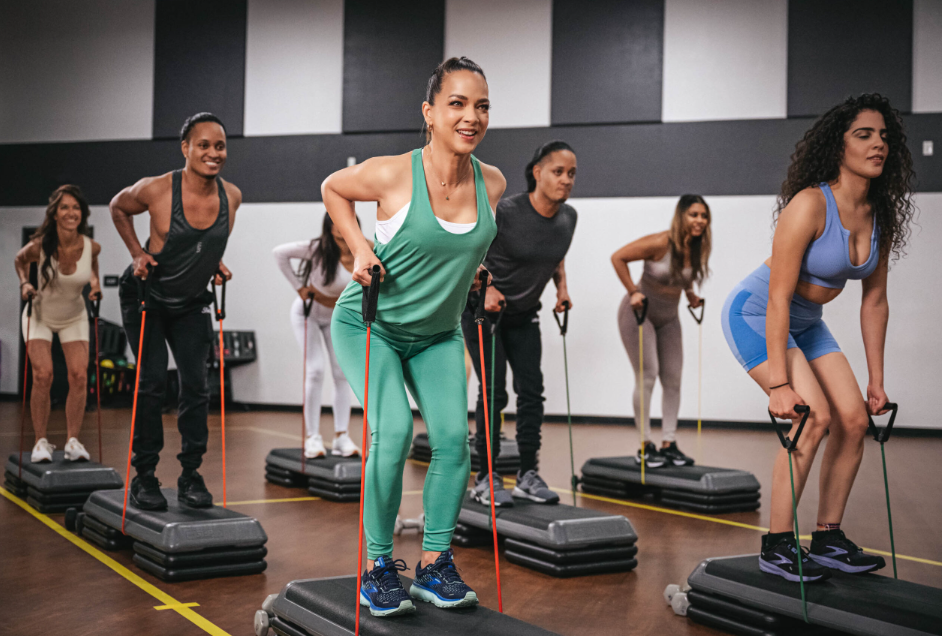
- Functional strength: moving better in everyday life
- Healthy body composition: more muscle, less excess fat (if that’s your goal)
- Energy & stamina: feeling active instead of drained
- Mobility & posture: less stiffness, fewer aches
- Consistency: progress that actually lasts
The 4 Pillars of Body & Fit
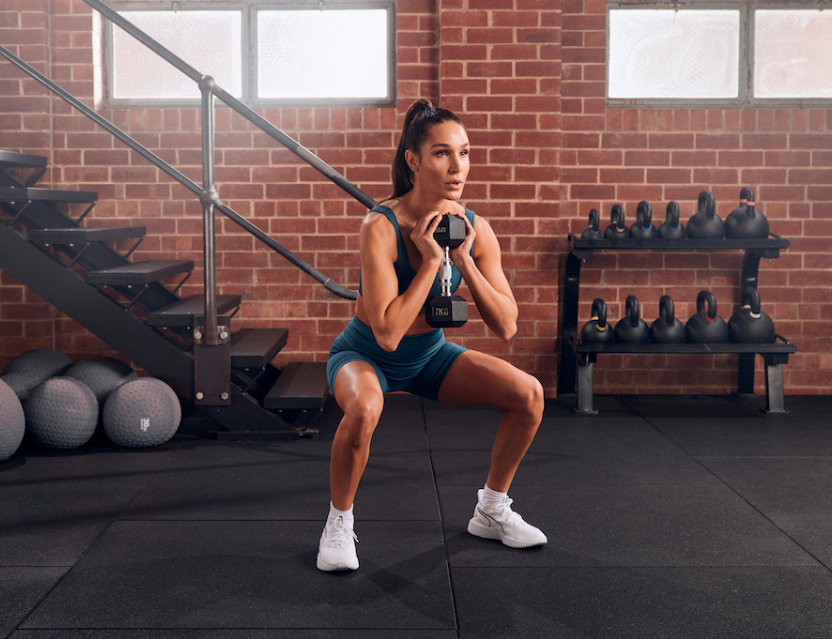
1) Training That Matches Your Life
You don’t need to live in the gym. You need a plan you can repeat.
A solid weekly structure can look like:
- 3–4 strength workouts (full body or upper/lower splits)
- 2–3 light cardio sessions (walking, cycling, swimming, incline treadmill)
- Daily movement (8–10k steps is a great target, but any increase helps)
Strength training is the foundation because it:
- builds lean muscle
- improves metabolism
- supports joints and bones
- shapes the body over time
2) Nutrition Without the Drama
Food shouldn’t feel like punishment. The best nutrition plan is one you can follow without hating your life.
Keep it simple:
- Protein first (helps muscle, recovery, and fullness)
- Colorful plates (vegetables + fruit for fiber and micronutrients)
- Smart carbs (fuel workouts: rice, oats, potatoes, whole grains)
- Healthy fats (nuts, olive oil, eggs, avocado)
A practical rule:
Aim for 80% whole foods, 20% flexibility.
This keeps you consistent without burnout.
3) Recovery Is Where Results Happen
Your body changes when it recovers, not when it suffers.
Focus on:
- 7–9 hours of sleep
- Rest days (or low-intensity movement days)
- Hydration
- Stretching/mobility (even 5–10 minutes helps)
If you’re always exhausted, sore, or moody—your routine may be too aggressive or your recovery too low.
4) Mindset: The Hidden Fitness Hack
Fitness isn’t about motivation—it’s about systems.
Try this mindset shift:
- Don’t ask: “Do I feel like working out?”
- Ask: “What’s the smallest version of this I can do today?”
Even 20 minutes counts. Consistency beats intensity.
A Beginner-Friendly Body & Fit Plan (Simple & Effective)
Workout plan (3 days/week):
- Day 1: Squats or leg press + push-ups/bench + rows
- Day 2: Lunges + shoulder press + lat pulldown
- Day 3: Deadlift variation + incline press + cable rows
Cardio: 20–30 minutes, 2–3x/week (or daily walks)
Nutrition baseline:
- Add 1 protein source to every meal
- Drink 2–3 liters of water daily
- Build meals around: protein + fiber + smart carbs
The Biggest Mistakes to Avoid
- All-or-nothing thinking: missing one day doesn’t “ruin” progress
- Over-restricting food: leads to cravings and bounce-backs
- Copying influencers: your plan should match your body and schedule
- Ignoring strength training: cardio-only often stalls results
Your Body & Fit Journey Starts With One Decision
You don’t need a perfect plan—you need a realistic one. Start small, stay consistent, and adjust as you learn what works for you. Fitness isn’t a 30-day challenge. It’s a lifestyle that grows with you.